When you close your eyes and envision the quintessential Indian bride, what do you see? Perhaps it is a vision in resplendent red, adorned with shimmering gold motifs that catch the light with every step, radiating a regal and timeless elegance. At the heart of this iconic bridal imagery lies a craft that has been passed down through generations, a technique that transforms mere fabric into a masterpiece of artistry and heritage. This craft is none other than the legendary zardozi embroidery. Here at Aahana’s by Nidhi Mehra, a luxury bridal couture brand nestled in the heart of Noida, we hold a profound reverence for this ancient art form. We believe that every bride deserves to wear a piece of history on her special day, and our collections are a testament to the enduring beauty of traditional Indian craftsmanship.
In this comprehensive guide, we invite you to journey with us into the captivating world of zardozi. We will explore its rich and opulent history, unravel the meticulous techniques used by master artisans, and understand why zardozi embroidery remains the crowning glory of Indian bridal couture. Whether you are a bride-to-be curating your dream trousseau or simply an admirer of exquisite textiles, this deep dive into the art of zardozi will leave you spellbound by its intricate charm and undeniable grandeur.
What is Zardozi Embroidery?
To truly appreciate the magnificence of zardozi embroidery, one must first understand what it entails. The word “zardozi” itself is a poetic fusion of two Persian words: “Zar,” meaning gold, and “Dozi,” meaning embroidery. Thus, quite literally, zardozi translates to “gold embroidery.” However, it is much more than just stitching with metallic threads. It is a highly elaborate, ornate, and heavy metal embroidery technique that creates stunning, three-dimensional designs on fabric.
Traditionally, zardozi embroidery involved the use of real gold and silver threads, meticulously couched onto rich fabrics such as silk, velvet, satin, and brocade. Artisans would intertwine these precious metal wires with an array of embellishments, including seed pearls, precious and semi-precious stones, sequins, and glass beads, to create motifs of unparalleled luxury. Today, while pure gold and silver are often substituted with copper wires polished in gold or silver (known as Kasab), the essence, the grandeur, and the intricate craftsmanship of the art form remain entirely unchanged.
The hallmark of zardozi embroidery is its regal, textured appearance. Unlike flat embroidery styles, zardozi creates a raised, encrusted effect that adds depth, weight, and a majestic drape to bridal garments. It is the embroidery of queens and empresses, a symbol of affluence, nobility, and impeccable taste.
The Royal Lineage: A Journey Through the History of Zardozi
The story of zardozi embroidery is as rich and fascinating as the craft itself. Its origins can be traced back to Central Asia, but it was during the era of the Mughal Empire that zardozi truly flourished and became an integral part of India’s textile heritage. When the Mughal emperors, known for their lavish lifestyles and patronage of the arts, established their reign in India, they brought with them master craftsmen from Persia.
Under the patronage of Emperor Akbar and later Shah Jahan, zardozi embroidery reached the zenith of its glory. It was not merely used to adorn the elaborate garments of the royal family and the courtiers, but it also embellished wall hangings, tent walls, royal palanquins, the scabbards of swords, and even the trappings of royal elephants and horses. The imperial workshops (karkhanas) were bustling with skilled artisans who spent months, sometimes years, creating singular masterpieces of zardozi.
However, the decline of the Mughal Empire and the advent of industrialization brought challenging times for these artisans. The exorbitant cost of real gold and silver, coupled with a lack of royal patronage, led to a temporary wane in the craft’s popularity. Fortunately, the resilient art form saw a revival in the mid-20th century. With the introduction of more affordable metallic threads and a renewed interest in traditional Indian textiles, zardozi found a new lease on life. Today, cities like Lucknow, Hyderabad, Farrukhabad, and Chennai are celebrated hubs for authentic zardozi embroidery, with each region adding its own subtle stylistic nuances to the craft.
The Meticulous Process: How Zardozi Embroidery is Created
The creation of a zardozi masterpiece is not merely a task; it is a labor of immense love, patience, and unparalleled skill. At Aahana’s by Nidhi Mehra, we work closely with master karigars (artisans) who have inherited these techniques from their forefathers. The process of creating zardozi embroidery is highly specialized and involves several meticulous steps:
- Design and Tracing (Chhapayi): The journey begins with the conceptualization of the design. Traditional motifs often include intricate florals, paisleys, creepers, and geometric patterns inspired by Mughal architecture. Once the design is finalized, it is drawn on a tracing paper. The paper is then pricked with a pin along the outlines of the design. Using a mixture of chalk powder or a special ink, the design is transferred onto the fabric through a process called “chhapayi.”
- Framing the Fabric (Adda): The foundation of zardozi work requires taut fabric. The traced fabric is tightly stretched and secured onto a large wooden frame known as an “Adda.” This frame resembles a traditional charpai (bed) and allows multiple artisans to sit around it and work simultaneously on a single large garment, such as a bridal lehenga.
- The Embroidery Process: This is where the magic happens. Artisans use a specialized needle with a hook at the end, similar to a crochet hook, known as an “aari.” In one hand, they hold the metallic thread (zari) underneath the fabric, and with the other hand, they use the aari from above to pull the thread through, creating a chain stitch. The true complexity of zardozi lies in the incorporation of various materials. The artisans meticulously thread coiled metal wires (dabka), spring-like wires (nakshi), sequins (sitara), beads (moti), and stones, couching them onto the fabric to build the three-dimensional motifs.
- Finishing: Once the embroidery is complete, the fabric is carefully removed from the adda. It undergoes a gentle finishing process to ensure all threads are secure and the embellishments are perfectly aligned, ready to be tailored into a stunning bridal silhouette.
It can take hundreds, sometimes thousands, of hours for our artisans at Aahana’s by Nidhi Mehra to complete the intricate zardozi embroidery on a single bridal lehenga. It is this dedication to slow, deliberate craftsmanship that makes each piece an heirloom.
Zardozi vs. Other Traditional Embroideries
India is a treasure trove of diverse embroidery techniques. While zardozi embroidery is undoubtedly one of the most prominent, it is often used in conjunction with, or compared to, other beautiful styles. Understanding these distinctions can help you appreciate the nuances of your bridal wear:
- Zardozi vs. Dabka: People often use these terms interchangeably, but they are not exactly the same. Zardozi is the overarching technique of metal embroidery, while “dabka” refers to a specific material used within zardozi. Dabka is a very fine, tightly coiled, spring-like wire that is cut into small pieces and stitched onto the fabric to create smooth, raised outlines and fillings. Zardozi includes the use of dabka, alongside other materials like sequins, beads, and nakshi.
- Zardozi vs. Aari: Aari work is characterized by fine, delicate chain stitches made using the hooked aari needle, typically with silk or cotton threads. While zardozi artisans also use the aari needle to couch the metallic threads and embellishments, zardozi is much heavier, more textured, and exclusively utilizes metallic elements and stones, whereas pure aari work is flatter and thread-based.
- Zardozi vs. Gota Patti: Originating from Rajasthan, Gota Patti involves appliqué work where small pieces of metallic ribbon (gota) are cut into various shapes (like leaves or diamonds) and sewn onto the fabric, often edged with zardozi or aari stitches. Gota Patti is generally lighter in weight compared to the dense, encrusted nature of pure zardozi embroidery.
Why Zardozi Embroidery is the Ultimate Choice for Indian Bridal Couture
When you step into our studio in Noida, you will immediately notice that zardozi embroidery forms the soul of our bridal collections. But what makes it the ultimate, unwavering choice for Indian brides? Here is why zardozi continues to reign supreme:
- Unmatched Opulence and Grandeur: There is simply no other embroidery technique that rivals the regal, majestic aura of zardozi. The way the metallic threads catch the light, creating a shimmering, three-dimensional effect, instantly elevates the garment, making the bride look and feel like royalty.
- Timeless Elegance: Trends come and go, but the appeal of zardozi is eternal. A zardozi lehenga is not just a dress for a day; it is a timeless classic that defies passing fads. It possesses an enduring beauty that looks just as stunning in vintage photographs as it does in modern, high-definition wedding features.
- Heirloom Value: Because of the intense labor, skill, and high-quality materials involved, a zardozi garment is an investment. It is a piece of wearable art that can be cherished, preserved, and passed down from generation to generation as a precious family heirloom.
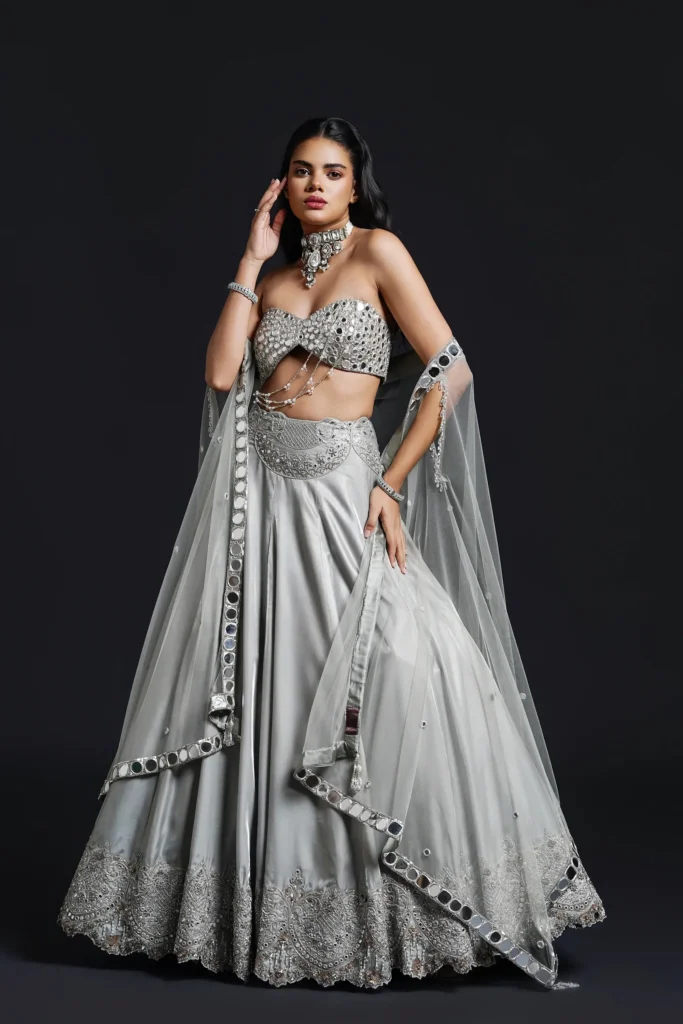
- Versatility in Design: While deeply rooted in tradition, zardozi embroidery is incredibly versatile. Master artisans can adapt the technique to create heavy, traditional Mughal motifs for a classic look, or they can use it to create delicate, contemporary, and geometric patterns for the modern bride. At Aahana’s by Nidhi Mehra, we specialize in blending this traditional art with contemporary silhouettes and color palettes.
- The Perfect Weight and Drape: The weight of the metallic embroidery gives fabrics like velvet, raw silk, and heavy georgette a beautiful, structured fall. This weight ensures that the lehenga skirt holds its shape magnificently, creating that coveted, flared bridal silhouette.
Incorporating Zardozi into Your Bridal Trousseau with Aahana’s by Nidhi Mehra
At Aahana’s by Nidhi Mehra in Noida, we understand that every bride is unique, and her trousseau should reflect her personal style while embracing the richness of Indian traditions. Here are some ways we beautifully incorporate zardozi embroidery into our couture:
- The Classic Red Bridal Lehenga: The quintessential choice. We create breathtaking red, maroon, and crimson lehengas heavily encrusted with gold zardozi work, featuring elaborate jaal (net) patterns, floral motifs, and majestic borders that are perfect for the main wedding ceremony.
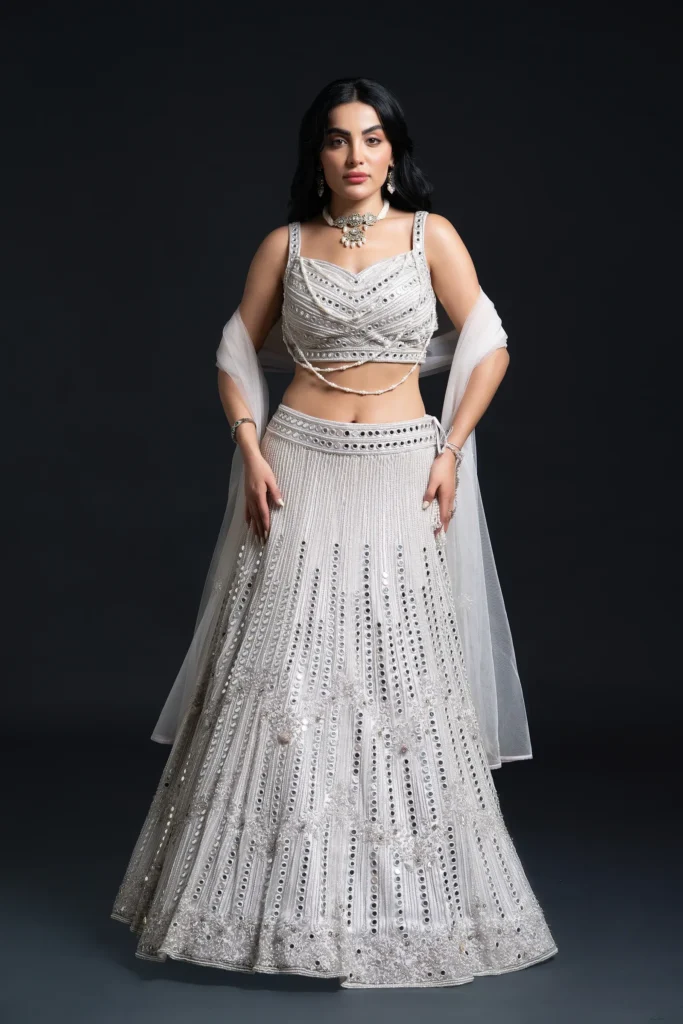
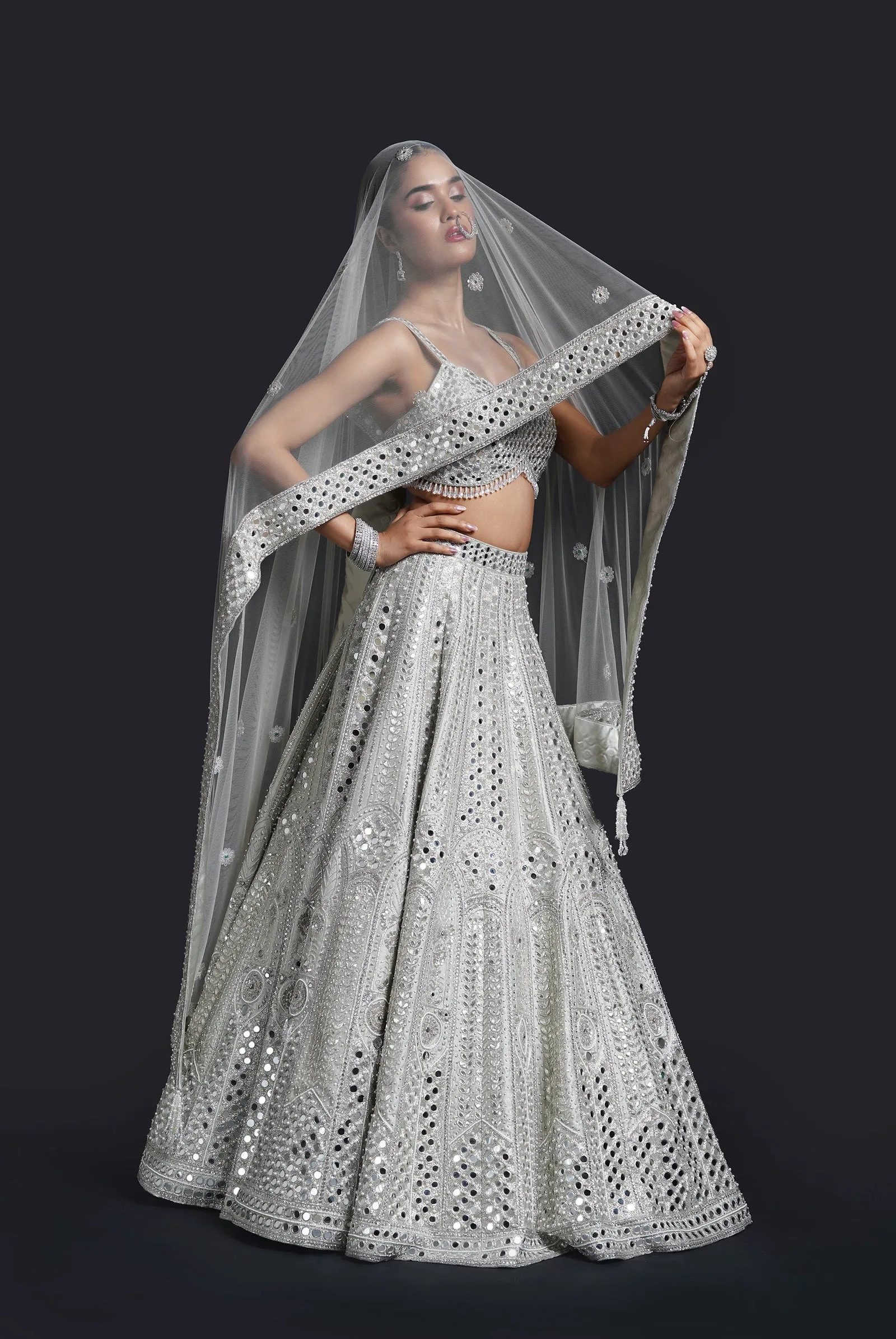
- Pastel Elegance: For the contemporary bride who prefers softer hues, we design exquisite lehengas in pastel shades like blush pink, mint green, powder blue, and ivory. On these lighter canvases, we often use silver or rose-gold zardozi embroidery, creating a look that is delicate, romantic, and ethereal.
- The Statement Dupatta: Sometimes, the magic lies in the details. A relatively simple silk or velvet lehenga can be dramatically elevated with a heavy, zardozi-embroidered dupatta. The intricate borders and scattered motifs (butis) on the dupatta frame the bride’s face beautifully.
- Fusion Wear and Reception Gowns: Zardozi is not limited to lehengas. We beautifully incorporate this technique into contemporary silhouettes like pre-draped sarees, sharply tailored jackets, and sweeping reception gowns, offering a perfect blend of Western cuts and Indian craftsmanship.
- Bridal Accessories: The luxury of zardozi extends beyond the garments. We often design customized, zardozi-embroidered potlis (drawstring bags) and beautifully embellished belts that cinch the waist and add a regal finishing touch to the bridal ensemble.
Caring for Your Zardozi Embroidery Garments
A garment adorned with zardozi embroidery is a delicate masterpiece that requires specialized care to maintain its luster and longevity. To ensure your Aahana’s by Nidhi Mehra creation remains pristine for years to come, follow these essential care instructions:
- Professional Dry Cleaning Only: Never attempt to wash a zardozi garment at home. The metallic threads and delicate fabrics require specialized, professional dry cleaning by experts who have experience handling heavy Indian couture.
- Proper Storage: Store your heavily embroidered garments in a cool, dry place. Avoid using plastic bags, as they can trap moisture and cause the metallic threads to tarnish. Instead, wrap the garment carefully in unbleached, acid-free muslin cloth or cotton sheets to allow the fabric to breathe.
- Avoid Direct Perfume: Never spray perfume, deodorant, or hairspray directly onto the embroidery. The chemicals in these products can react with the metallic threads, causing them to oxidize, darken, or lose their shine. Always apply fragrances before putting on your garment.
- Fold with Care: When folding your lehenga or saree, be mindful of the heavy embroidery. Try to fold the garment along the seams rather than through the middle of the embroidered motifs to prevent creasing and breaking the delicate wires. If possible, store heavy lehenga skirts flat.
- Airing Out: After wearing your garment, avoid packing it away immediately. Let it air out in a shaded, well-ventilated room for a few hours to allow any moisture or perspiration to evaporate. Keep it away from direct, harsh sunlight, which can fade the fabric.
Aahana’s by Nidhi Mehra: Your Destination for Zardozi Bridal Couture in Noida
Finding the perfect bridal outfit is a journey of emotion, discovery, and finding a designer who understands your vision. Located in the bustling city of Noida, Aahana’s by Nidhi Mehra has established itself as a premier destination for luxury bridal couture, renowned for our uncompromising commitment to quality and our passion for traditional craftsmanship.
Our philosophy is rooted in celebrating the incredible heritage of Indian textiles and embroidery techniques, with zardozi embroidery holding a special place in our hearts. When you choose an Aahana’s creation, you are not just buying a dress; you are investing in a piece of art that has been meticulously crafted by skilled artisans over countless hours.
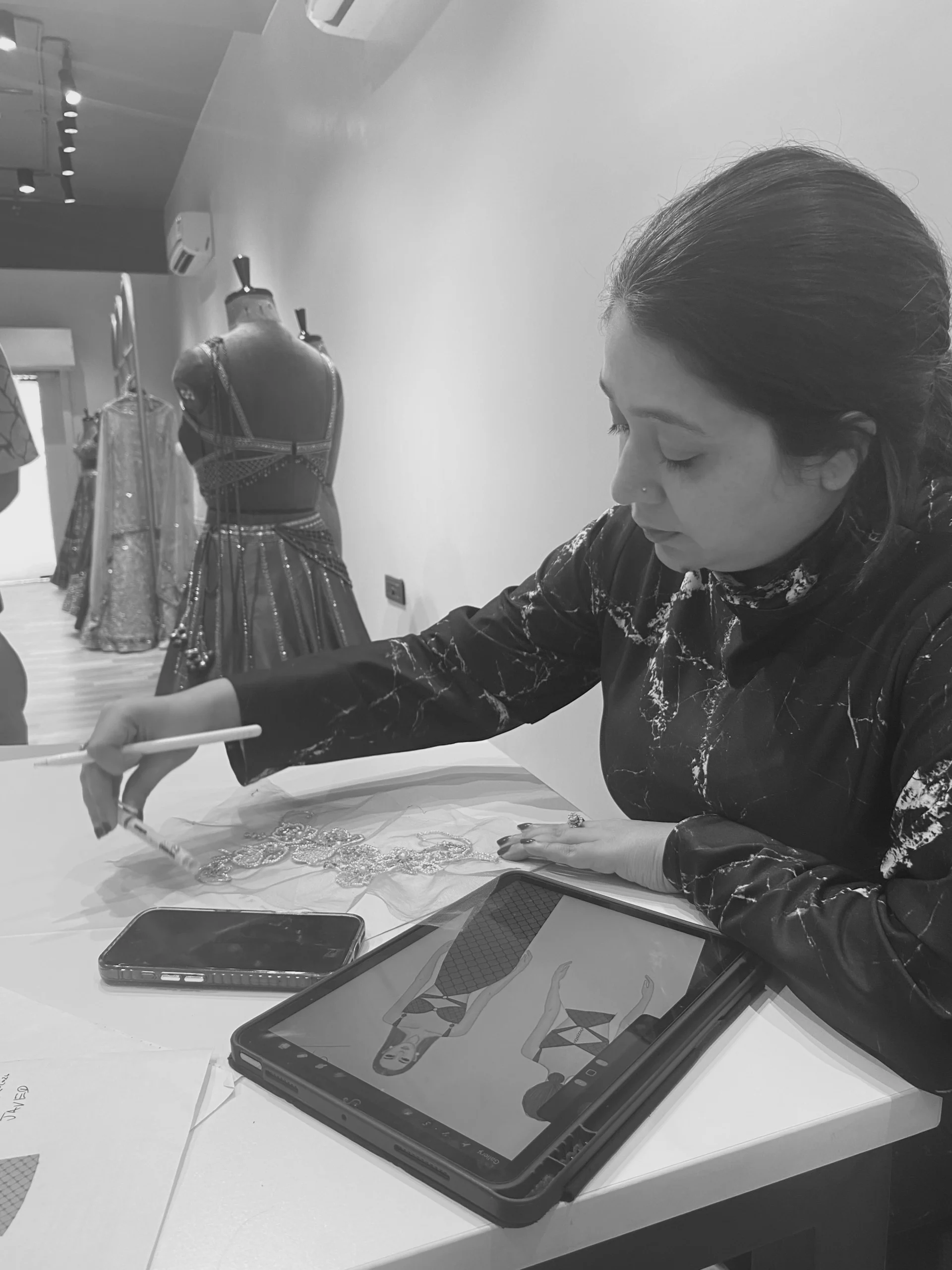
We pride ourselves on our bespoke services. Nidhi Mehra and our team of expert stylists work closely with each bride to understand her personality, her wedding theme, and her comfort. Whether you desire a heavily traditional, vintage-inspired Mughal lehenga or a contemporary, minimalist design featuring delicate zardozi accents, we bring your dream vision to life with impeccable tailoring and flawless finishing.
Conclusion
The art of zardozi embroidery is a magnificent thread that connects the grandeur of India’s royal past with the vibrant celebrations of its present. It is a craft that speaks volumes of patience, precision, and an unwavering pursuit of beauty. At Aahana’s by Nidhi Mehra in Noida, we are honored to be custodians of this extraordinary art form, weaving dreams into reality for our beautiful brides.
As you embark on your journey to find the perfect bridal ensemble, we invite you to experience the magic of zardozi firsthand. Let the shimmering threads, the encrusted jewels, and the regal drape of this historic embroidery make you feel like the queen you truly are on your most special day. We look forward to welcoming you to our studio and helping you craft a bridal look that is as timeless and unforgettable as the art of zardozi itself.