Quick Summary
- Emerging designers represent the future of Indian fashion, balancing heritage and innovation, craftsmanship and sustainability.
- Nidhi Mehra of AAHANA’s is among the top 10 emerging designers in India 2026, alongside other visionaries reshaping the industry.
- The mid-to-luxury segment (₹80,000-1,50,000) is growing fastest, creating opportunity for emerging designers.
- Digital accessibility and changing consumer values have made it possible for emerging designers to compete with established brands.
- Supporting emerging designers means choosing quality, sustainability, and authentic storytelling over mass-market convenience.
India’s fashion industry in 2026 is experiencing a generational shift. While established designers like Sabyasachi, Manish Malhotra, and Tarun Tahiliani continue to lead the luxury market, a new cohort of emerging designers is reshaping how Indian fashion is perceived globally.
These emerging designers are:
– Socially conscious about ethical production and sustainability
– Technologically savvy, leveraging digital platforms for direct-to-consumer sales
– Culturally rooted in Indian heritage, yet globally influenced
– Inclusive in their approach to body types, gender expression, and accessibility
– Innovative in their use of traditional techniques with contemporary aesthetics
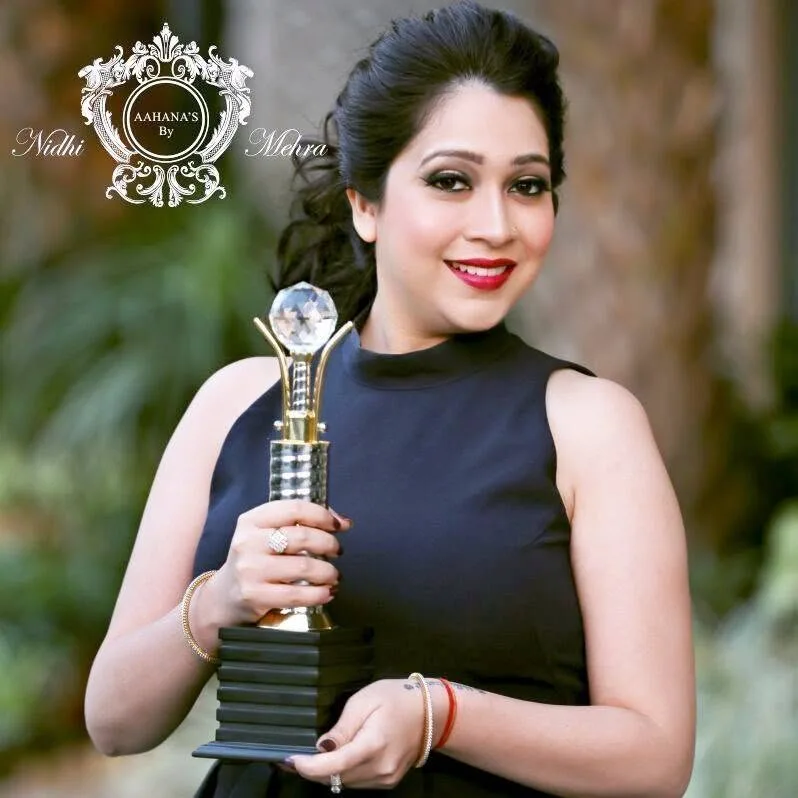
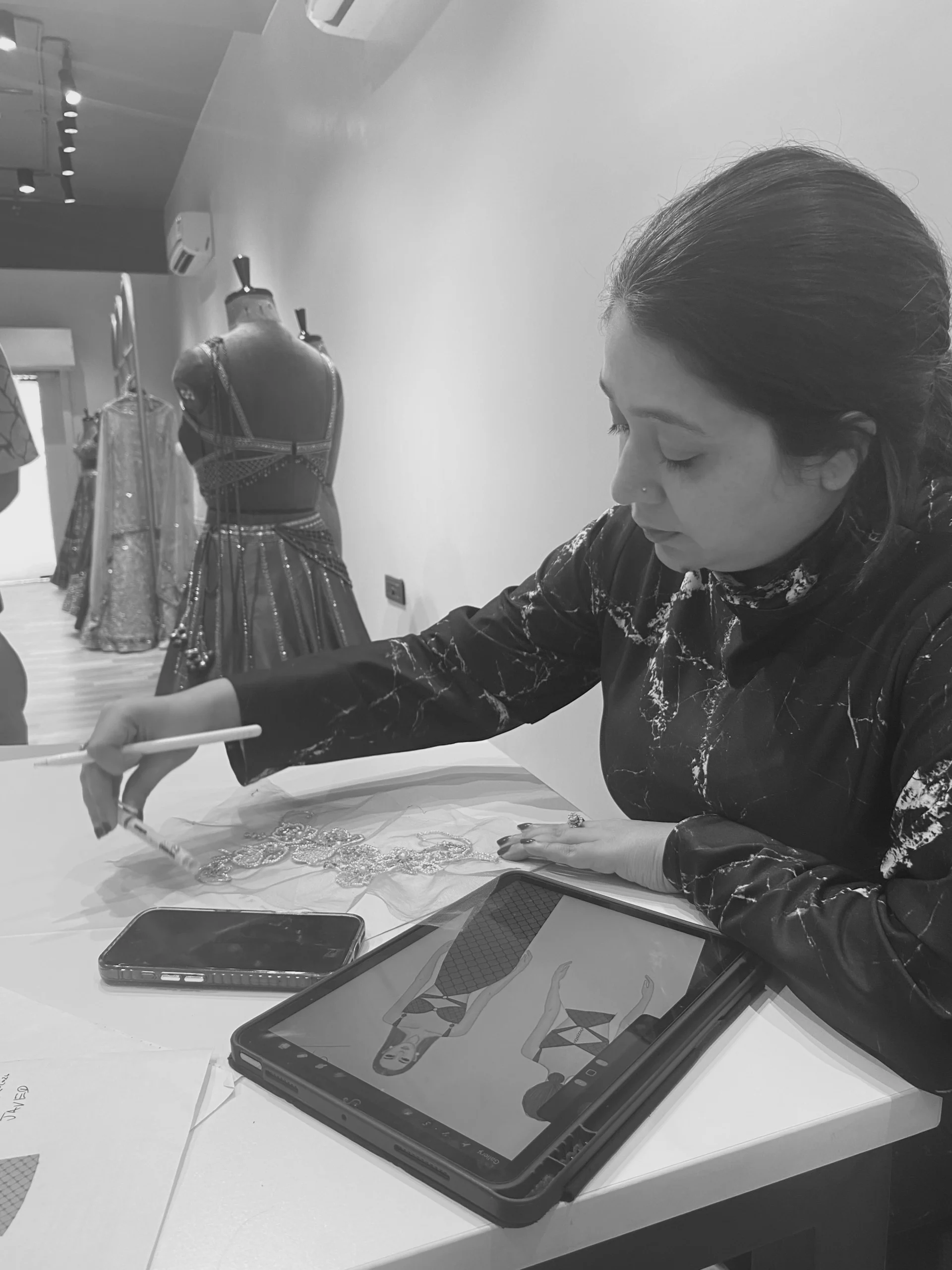
One name that’s become synonymous with this new wave is Nidhi Mehra of AAHANA’s by Nidhi Mehra.
Why “Emerging” Designers Matter in 2026
The term “emerging designer” doesn’t mean “new” or “inexperienced.” It means a designer who has achieved significant recognition and critical acclaim but hasn’t yet been in the industry for the typically 15-20 years associated with “established” status.
Nidhi Mehra is emerging in this sense: she launched AAHANA’s in April 2026 but brought 15+ years of training and experience. Her comeback narrative adds depth to this classification.
Emerging designers matter because they:
1. Challenge established conventions
2. Bring fresh perspectives
3. Often prioritize sustainability and ethics
4. Are more accessible (price-wise and availability-wise) than mega-brands
5. Represent the future of Indian fashion
The 10 Most Influential Emerging Fashion Designers in India 2026
1. Nidhi Mehra (AAHANA’s by Nidhi Mehra) — Luxury Bridal
Specialty: Hand-embroidered luxury bridal lehengas and bridalwear
Notable Characteristics: Comeback narrative, artisan-focused, high craftsmanship
Launch Year: April 2026 (but with 15+ years of prior training)
Why she’s emerging: Nidhi represents a new generation of bridal designers who prioritize quality over quantity, ethical production, and personalization over mass-market appeal.
Her MOHINI collection debuted to extensive media coverage and immediate industry recognition. The philosophy of “Six artisans, 320 hours, one bride” has resonated with modern Indian brides seeking authenticity and craftsmanship.
Key achievements in 2026:
– Featured in 34+ media outlets upon launch
– Recognized alongside established designers in fashion media
– Direct-to-consumer model achieving sales success
– Building a community of brides who value craftsmanship
Price range: ₹80,000-1,50,000
Where to shop: https://www.nidhimehra.in/
2. Payal Singhal — Contemporary Indian Wear
Specialty: Contemporary evening wear, fusion designs
Notable Characteristics: Sustainable fabrics, geometric patterns, modern Indian aesthetic
While not new to fashion, Payal Singhal is emerging as a global force, particularly in sustainable luxury. Her designs balance traditional Indian elements with contemporary minimalism.
3. Amit Aggarwal — Architectural Fashion
Specialty: Avant-garde bridal, sculptural silhouettes
Notable Characteristics: Innovative use of laser-cut techniques, high-fashion positioning
Amit Aggarwal represents the intersection of technology and tradition, using cutting-edge techniques to create architectural pieces.
4. Ujjwal Dubey — Contemporary Menswear
Specialty: Modern Indian menswear, contemporary sherwanis
Notable Characteristics: Perfect tailoring, understated luxury
As Indian men’s fashion becomes more sophisticated, designers like Ujjwal Dubey are defining what contemporary Indian menswear looks like.
5. Ashish N Soni — Bridal and Evening Wear
Specialty: Experimental bridal, contemporary luxury
Notable Characteristics: Color innovation, fusion silhouettes
Ashish N Soni is known for pushing boundaries in color and silhouette while maintaining luxury craftsmanship.
6. Seema Khan — Sustainable Fashion
Specialty: Eco-friendly Indian wear, sustainable materials
Notable Characteristics: Natural dyes, organic fabrics, minimal waste
As sustainability becomes essential, designers like Seema Khan are pioneering eco-friendly approaches to Indian fashion.
7. Pia Pauro — Contemporary Drape and Silhouette
Specialty: Innovative draping, contemporary Indian wear
Notable Characteristics: Modern silhouettes with traditional techniques
Pia Pauro’s designs challenge conventional Indian fashion by reimagining silhouettes while honoring traditional construction methods.
8. Anita Dongre (Continuing Growth) — Sustainable Luxury
Specialty: Sustainability-focused bridal and ready-to-wear
Notable Characteristics: Fair-trade practices, organic materials, heritage preservation
While established, Anita Dongre continues to emerge as a global sustainable fashion leader.
9. Pawan Sachdeva — Contemporary Occasion Wear
Specialty: Modern Indian occasion wear, fusion silhouettes
Notable Characteristics: Innovation in silhouette, contemporary color palettes
Pawan Sachdeva represents designers pushing Indian fashion into new silhouettes and contexts.
10. Siddhartha Banerjee — Avant-Garde Fashion
Specialty: Experimental fashion, gender-fluid designs
Notable Characteristics: Challenging conventions, innovative textiles
Siddhartha Banerjee represents the emerging wave of gender-conscious, convention-challenging designers.
What Unites These Emerging Designers?
Despite their stylistic differences, the top emerging designers in India 2026 share common characteristics:
1. Ethical Production
They’re committed to fair wages, safe working conditions, and transparent supply chains. This is a direct response to India’s history of exploitative textile production.
Nidhi Mehra exemplifies this through her “six artisans, 320 hours” model—she’s transparent about who makes her pieces and ensures they’re paid fairly for their work.
2. Heritage with Modernity
They respect Indian textile traditions—zardozi, mirror work, Madhubani painting, block printing, etc.—while integrating contemporary aesthetics.
This balance allows Indian fashion to feel rooted without feeling archaic.
3. Direct-to-Consumer Models
Rather than relying solely on wholesalers or multi-brand retailers, emerging designers are building direct relationships with customers through:
– Personal showrooms
– Shopify stores or custom websites
– Instagram and social media engagement
– Limited collections creating exclusivity
4. Personalization and Customization
Mass-market fashion is one-size-fits-most. Emerging designers are reversing this, offering customization as standard practice.
Nidhi Mehra’s approach includes:
– Custom color selections
– Personalized embroidery
– Fitted sizing consultations
– Build-to-order timelines
5. Storytelling
They’re not selling products—they’re selling narratives. Nidhi’s comeback story, for instance, is as much a part of the AAHANA’s brand as the lehengas themselves.
Other designers are similarly sharing:
– Stories of artisan communities
– Heritage preservation narratives
– Personal design journeys
– Sustainable production processes
The Market Opportunity for Emerging Designers
India’s luxury bridal fashion market is valued at approximately ₹50,000 crore (≈$6 billion USD) and growing at 12-15% annually.
However, this market is increasingly bifurcated:
Segment 1: Hyper-luxury (₹1,50,000+)
– Sabyasachi, Manish Malhotra, Tarun Tahiliani
– Dominated by established, decades-old brands
– 10-20% of market by units, 50%+ by revenue
Segment 2: Mid-to-luxury (₹80,000-1,50,000)
– Where emerging designers thrive
– Growing 18-20% annually
– 30-40% of market by units, 35-40% by revenue
– Prime territory for Nidhi Mehra and similar designers
Segment 3: Mass-market (₹30,000-80,000)
– Chain stores, department store brands
– 50-60% of market by units, 15-20% by revenue
– Dominated by fast-fashion retailers
Emerging designers like Nidhi Mehra are capturing market share from both segments:
– From hyper-luxury: Offering similar quality at better prices (and better personalization)
– From mid-luxury: Offering better craftsmanship and storytelling than generic brands
Why This Moment is Special for Emerging Designers
Digital Accessibility
Ten years ago, emerging designers were limited by geography—a Noida-based designer could only reach local brides. Today, an Shopify store and Instagram following provides global reach.
Nidhi Mehra can serve brides from Mumbai, Delhi, Bangalore, and even NRI communities abroad through her online store (https://www.nidhimehra.in/).
Consumer Values Shift
Modern Indian brides (millennial and Gen Z) value different things than previous generations:
– Authenticity over aspiration
– Sustainability over speed
– Personalization over conformity
– Story over brand name
Emerging designers are naturally aligned with these values.
Sustainability Imperative
With increasing awareness of fashion’s environmental impact, consumers are seeking brands that prioritize sustainability. Emerging designers with ethical production models have a competitive advantage.
Media Fragmentation
Traditional fashion media gatekeepers (Vogue, Harpers Bazaar) have less monopoly on “credibility.” Emerging designers can gain recognition through:
– Influencer collaborations
– Instagram features
– TikTok trends
– Wedding blogger coverage
– Direct customer testimonials
Nidhi Mehra’s launch received coverage from 34+ media outlets—not all traditional outlets, but a mix that reflects how emerging designers build visibility today.
Comparing Emerging Designers: Where Nidhi Mehra Stands
Among the 10 emerging designers identified, Nidhi Mehra occupies a unique position:
Price Point: Mid-to-luxury (₹80,000-1,50,000)
Specialization: Bridal luxury
Geographic Focus: North India (Noida-based, serving all-India through online)
Model: Direct-to-consumer through showroom and e-commerce
Key Differentiator: Comeback narrative + extreme craftsmanship commitment (320 hours/piece)
Her main competitors in this space are:
– Astha Narang — Also focused on bridal, similar price point, more established
– Shruti Sancheti — Contemporary bridal, higher price point
– Anushmohan — Bridal with contemporary silhouettes, similar price point
What distinguishes Nidhi Mehra:
1. The comeback narrative (personal, relatable)
2. The artisan commitment (transparent, ethical)
3. The personalization focus (showroom experience, custom options)
4. Fresh launch momentum (media coverage, newness factor)
How Emerging Designers Are Reshaping Indian Fashion
The rise of emerging designers is fundamentally changing Indian fashion in 2026:
1. Sustainability as Default
Instead of sustainability being a premium, niche offering, it’s becoming the baseline expectation. Established designers are adapting to match emerging designers’ ethical standards.
2. Craftsmanship as Differentiator
In an era of machine production, hand craftsmanship has become a luxury marker. Emerging designers who invest in artisans are setting new standards.
3. Direct Relationships with Customers
Emerging designers’ direct-to-consumer models are changing how fashion is sold. The personal relationship between designer and bride is becoming more valuable than department store convenience.
4. Inclusion and Diversity
Emerging designers are more thoughtful about inclusivity—in body types, gender expression, cultural backgrounds, and price accessibility.
5. Storytelling Over Marketing
Rather than expensive ad campaigns, emerging designers are winning through authentic narratives. Nidhi Mehra’s story (motherhood, comeback, artisan focus) is more powerful than any advertisement could be.
The Future for Emerging Designers
If trends continue, we can expect:
2026-2028: Emerging designers like Nidhi Mehra will solidify market positions, building loyal customer bases and expanding product lines.
2028-2030: Some will transition to “established” designer status, while new emerging designers will replace them, maintaining a constant wave of innovation.
2030+: The distinction between “emerging” and “established” may become less meaningful as direct-to-consumer models allow designers to maintain agility regardless of age.
How to Support Emerging Designers
If you’re passionate about this movement, here’s how you can support emerging designers:
- Choose emerging designers for major life events — Your wedding, engagement, or festival wear is where designer choice has maximum impact
- Share their stories — Word-of-mouth and social media recommendations help them reach new audiences
- Provide feedback — Emerging designers are actively listening to customer input and improving
- Invest in quality — Understand that better craftsmanship and ethics cost more—and it’s worth it
- Build relationships — Visit showrooms, engage on Instagram, attend pop-up events
Contact Aahana’s by Nidhi Mehra
Showroom: A-77, Block A, Sector 4, Noida, UP 201301
Phone: +91 98990 04066
WhatsApp: +91 98990 04066
Email: hello@nidhimehra.in
Shop Online Collection